ALERT: An explanation of the Italian mess
What is the Italian mess?
Many ramp checks have happened
Aircraft has been seized
Explore what is going on here
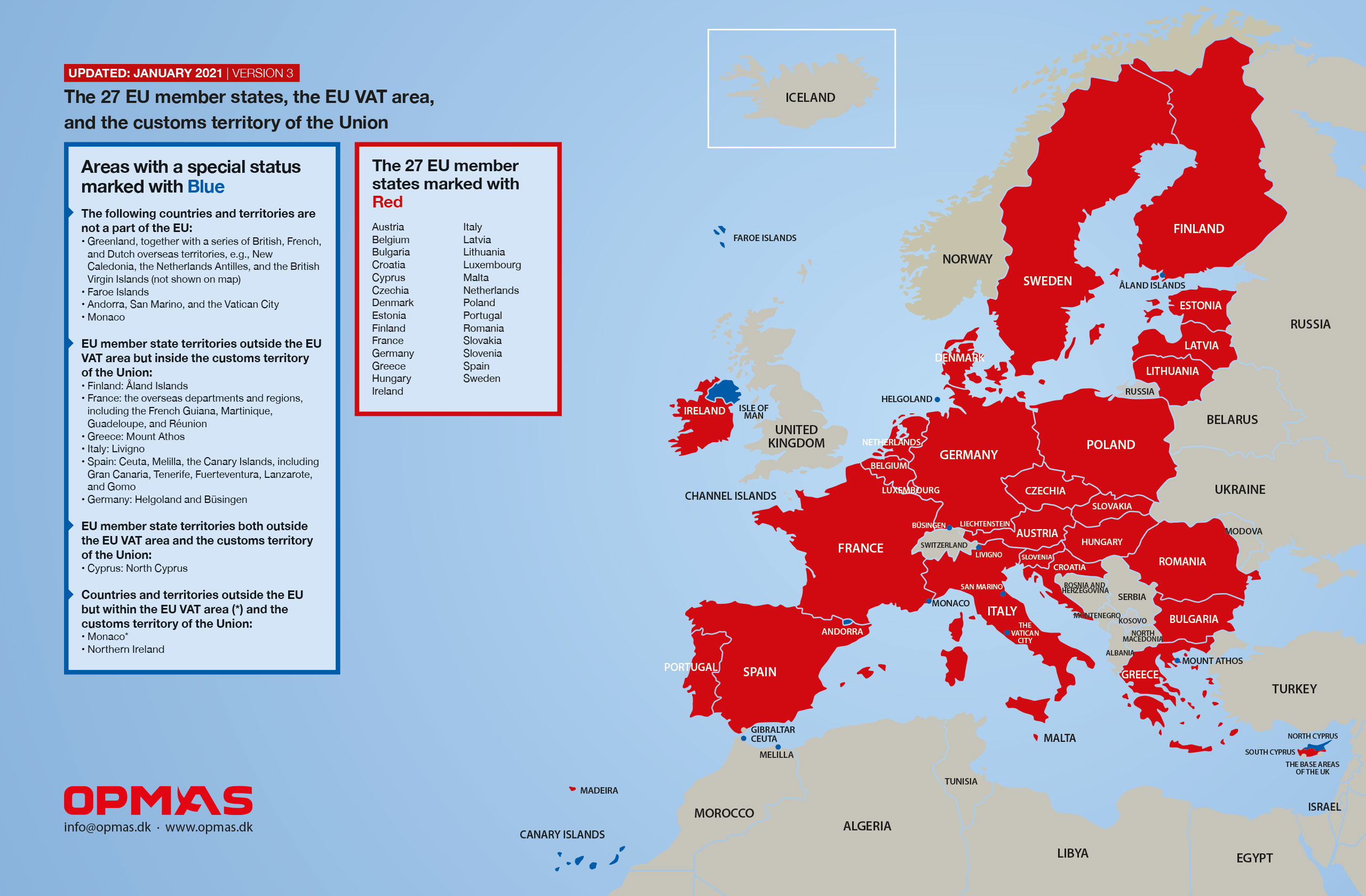
 For years, we have received extensive feedback from operators flying to Italy about numerous customs ramp checks, and many have asked for an explanation and how to prepare.
One labelled the situation “the Italian mess”, most likely because these checks involve many different customs approaches, leaving operators without a clear understanding of what is going on.
So, here is the Italian mess described the way we see it. There might be other explanations or nuances in addition to our description, but this is our offer based on the knowledge we have accumulated so far.
Is this a new situation?
The situation is not new. What is new is that the situation has caught the attention of many operators this summer due to the international aviation media coverage, especially through OPSGROUP and “Pilot und Flugzeug”, a German aviation magazine.
What is going on?
We have identified four different types of situations, all related to Italian and EU customs issues. Below is a description of what we have detected.
1. The “hunt” for aircraft, typically with N, T7, or HB-registrations
This issue mainly concerns aircraft owned by local Italians or EU-resident operators. Guardia di Finanza (Italian customs police) have had a strange interpretation of the EU customs rules for many years, which somehow limited the validity of full importation (free circulation) to only six months in cases where the aircraft did not use one of the 27 EU national aircraft registrations. The number of aircraft seized amounts to around 30, with a demand to pay the local Italian 22% VAT (based on the value of the aircraft) to regain possession of their own aircraft.
This situation has hopefully ended now, as the Italians changed their customs law this spring. Thus, their law should now be in sync with the EU regulation. However, there are a number of these 30 earlier cases in the Italian court system right now, and we do not know whether the recent legislative change will affect the past seizes.
Operators using Temporary Admission with N, T7, or HB-registrations have not been affected by this approach.
2. Users of Temporary Admission (TA)
Many non-EU operators have been asked on the ramp to verify their EU customs status and present documentation proving their eligibility to use TA. Unprepared operators have been stopped until proper documentation was presented.
In addition, some operators have been approached after departing Italy and asked about earlier stays, probably to allow the Guardia di Finanza to verify TA compliance retrospectively.
Operators found violating of the TA procedure have been met with sanctions.
3. The Italian Aerotaxi passenger tax
Many operators have been checked on the ramp, where Guardia di Finanza were looking for commercially operated aircraft, or later received a letter from Guardia di Finanza with a bill or fine (typically Euro 5,000) because they had not filed a request to pay the Italian Aerotaxi passenger tax for their earlier entry. These letters have apparently been sent to many operators visiting Italy.
4. The Italian luxury tax
Many operators have been asked about the owner and operator structure by Guardia di Finanza. Here, they most likely looked for a local Italian connection in the pursuit of the Italian luxury tax, which all Italian-domiciled or owned aircraft must pay.
OPMAS comments
Here are our comments on the four situations.
1. The “hunt” for aircraft, typically N, T7, or HB-registrations
It has not been pretty to look at these cases from the sidelines over the years, but hopefully the issue is now resolved. Yet, some local Italian law contacts have noted that it could take a while for the full implementation of the recent legislative change to reach all parts of Italy.
2. Users of Temporary Admission (TA)
These checks are a normal part of work for any EU customs agency and occur regularly in many EU member states, e.g., France, Spain, Portugal, Greece, and less often, elsewhere. All operators should always bring a TA ramp check portfolio ready for use.
Feedback shows that operators presenting a TA ramp check portfolio when approached are off the hook immediately.
Please also read this article if you wish to learn more about the background for TA, why the procedure exists, how it is enforced, and the consequences of using it incorrectly.
3. The Italian Aerotaxi passenger tax
This tax only targets commercial/charter traffic and is meant for aircraft with up to 19 seats, but it seems like many aircraft in the corporate aircraft segment have also been targeted with the above-mentioned letter after departing Italy. If an operator believes they should not pay this tax, they should request an exemption before a flight to Italy. Just check the Guardia di Finanza website for this option.
This kind of passenger tax also exists in other places, e.g., in France.
4. The Italian luxury tax
If an operator believes they should not pay this tax, they should bring proper documentation to prove their non-Italian background or connection. If an eventual UBO is living in Italy or the aircraft base is mainly Italian, the tax will be due.
Italian customs are merely doing their job
There is no doubt that the Guardia di Finanza has inspected a large number of aircraft, and this effort will continue because it is their job, as with any other customs agency in the EU.
All customs agencies are supposed to approach aircraft to check compliance against the local regulations, so the sum of these four situations cannot be seen as a mess. It is simply a natural consequence of the regulation and its enforcement, even though the first situation was based on a strange local interpretation of the EU regulation. But this interpretation was supported by a local Italian judgment, so Guardia di Finanza did not act independently without legal backing.
The only strange thing is the hunt for N, T7, or HB-registrations, as mentioned in the first situation. There is no doubt that if this situation had occurred alongside the other three enforcements, it would have been very hard to get a clear understanding of what was going on, which indeed would be a real mess, but we hope this article has clarified the situation.
Many operators are surprised
Many operators are surprised by the situation and consequences. We recommend being prepared instead. Therefore, do not fly to any jurisdiction unless you know exactly what it takes to fly there.
The disruptions caused by COVID and Brexit, which paralyzed EU customs and nearly stopped ramp checks for many years in several EU jurisdictions, now appear to be behind us.
It has never hurt an operator to be able to present convincing paperwork during a customs ramp check.
How can we help?
If you have questions about the above, please do not hesitate to contact us.
It has never hurt an operator to be able to present convincing paProper paperwork and prepared pilots keep aircraft flying.aperwork during a customs ramp check.
Follow OPMAS on LinkedIn
Get a continuously stream of news and hints about EU importation and admission issues.
Remember to click Follow on LinkedIn