Will a potential US-EU tariff war limit operators when flying to the EU?
Thoughts and comments seen from an EU perspective
Mainly for non-EU operators flying to the EU

Since the US-EU tariff conflict began on April 1st, we have received numerous questions about its potential impact. In this brief, we take a closer look at the situation and address some of the most frequently asked questions from an EU perspective—particularly relevant for all operators flying to the EU.
Background
Should the ongoing trade negotiations between the US and EU fail to resolve the dispute, the European Commission is expected to impose retaliatory tariffs on a wide range of American products—likely including all categories of aircraft. While negotiations continue, a “ceasefire” has been agreed upon until July 9th.
Q1: How would a potential EU counter-tariff affect American-made aircraft?
Such a tariff would apply to all aircraft manufactured in the United States—e.g., Gulfstream, Cessna, Bell helicopters, etc. This would trigger customs duties during a full EU importation. Currently, the customs duty is typically 0%. However, with a tariff in place, importation becomes significantly more costly. These duties are not deductible and must be considered a direct cost. In practice, this would result in a halt in full importations.
Q2: What does this mean for operators pursuing a full EU importation?
In short: prepare for substantial costs.
Q3: Is this a catastrophe for operators flying to the EU?
Absolutely not. Most non-EU operators can avoid full importation altogether. It is often unnecessary and introduces additional liabilities. Full importation across multiple jurisdictions is complex, especially due to differing approaches in the handling of non-business use. The so-called free circulation may act more like a straitjacket than a solution. Unless absolutely essential, we recommend avoiding full importation and using Temporary Admission (TA) instead.
While we await developments until July 9th
Please note that Temporary Admission can be used to fly privately, corporately, and commercially within the EU without any problems and with EU-resident persons onboard if applied correctly. Since 2014, the Temporary Admission procedure has become a very well-defined customs procedure, particularly suited for corporate and commercial aviation. Thousands of aircraft use it daily with ease and is without a doubt the preferred option today.
How to decide between Temporary Admission and full importation? Disclaimer *)
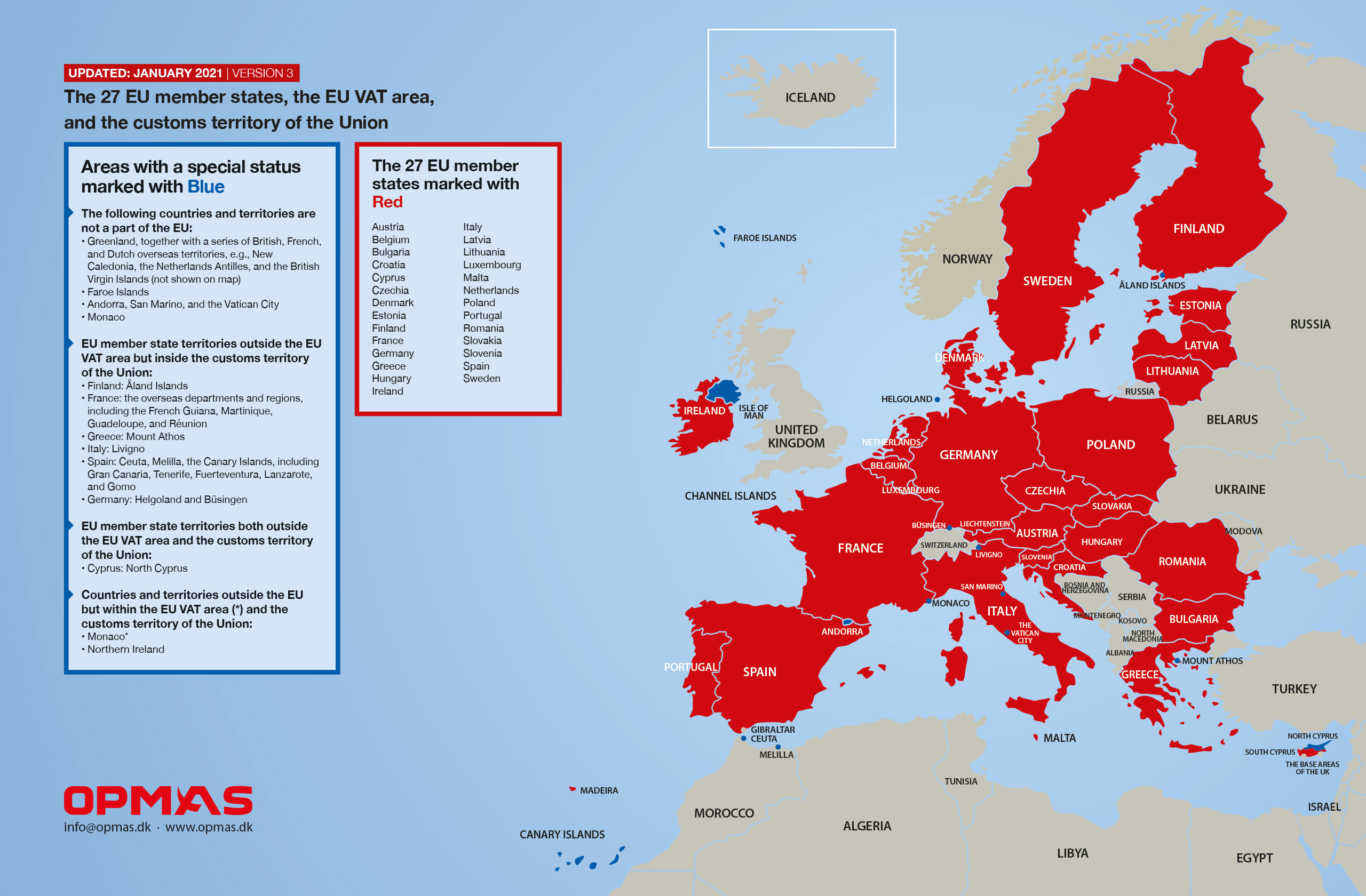
If an operator cannot decide between using Temporary Admission or full importation, then involve the CFO for advice. If the CFO has no problem with additional tax and economic liabilities for the next five to seven years and is willing to handle the risks associated with a full importation in a new jurisdiction, then by all means, full importation should be your choice. If not, choose Temporary Admission. It is that simple.
*) Disclaimer: This text is an expression of Danish sarcasm according to the Danish Humor Act. If unfamiliar with Danish humor, feel free to ignore this note entirely.