ALERT: New 2026 Guidance From The EU
Read the EU Commission’s message to operators flying within the EU
Why are there preconditions and ramp checks when flying within the EU?
Do not fly to the EU unless you understand EU customs
This article is mainly written for non-EU operators
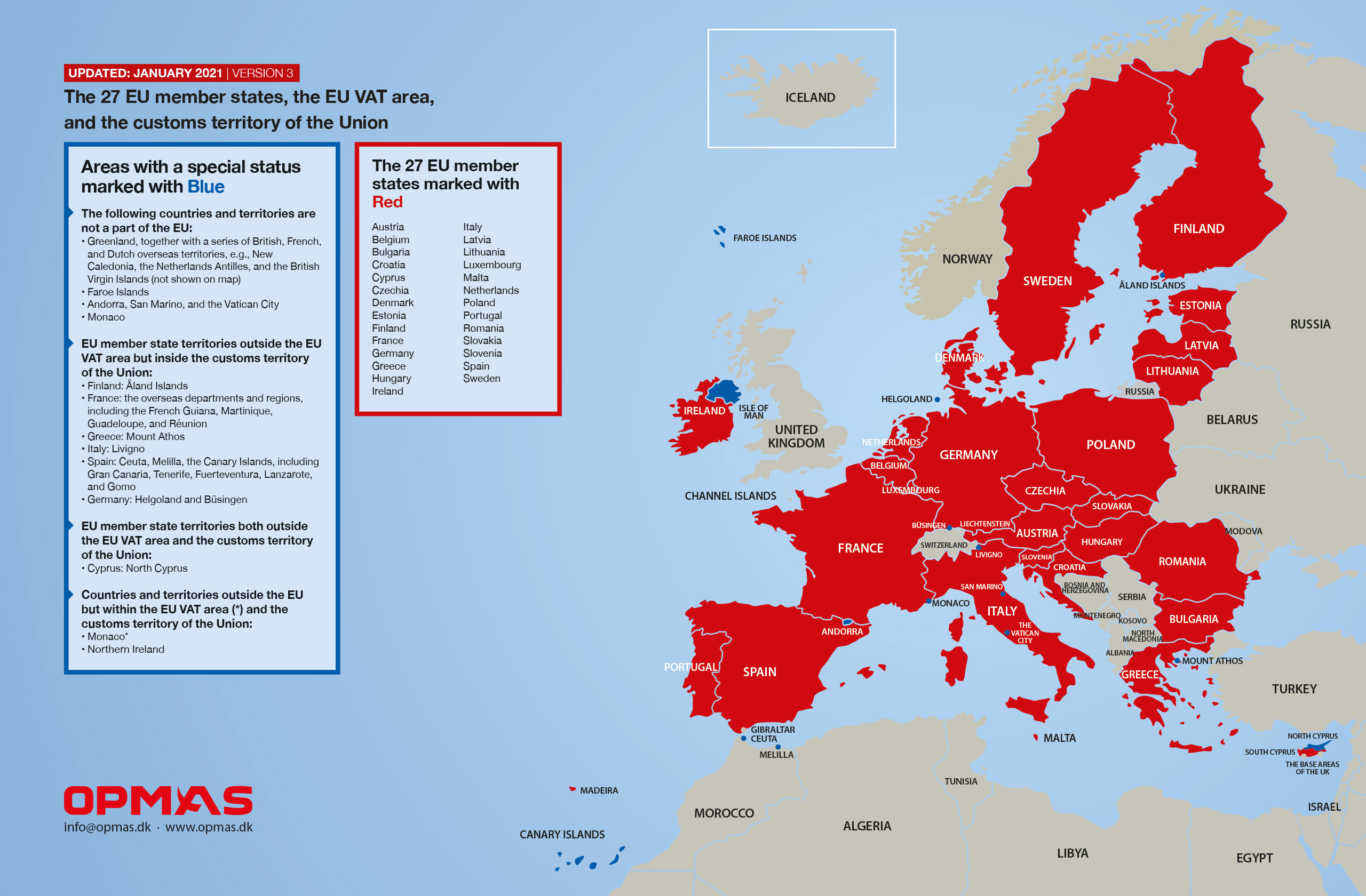
The EU Commission has once again published a guidance document. This time, it focuses on “pleasure craft” addressing several important topics related to both full importation and Temporary Admission (TA).
The main purpose of the document is to provide practical guidance on how EU customs procedures work and to help operators prepare for travel within the EU, ensuring smoother and more predictable operations. The main focus is compliance and, equally importantly, how to document it.
This guidance document is mainly about boats but includes sections about aircraft. In an EU customs context, civil aircraft are generally treated as “pleasure craft”, and many of the customs and VAT principles applicable to boats also apply to aircraft.
In this news flash, we have summarized the most important topics from an aviation perspective, including our commentary, in clear and practical language. Below are the highlights, mainly conclusions from the regulatory part of the document.
Full importation
- A full importation is always needed, unless the origin of the aircraft is the EU
- A free circulation status is not valid forever. A sale or an operator change can change the status
- EU VAT must always be correctly calculated and paid whenever there is a new transaction
- Any flight from the EU to a non-EU area will be seen as a temporary exportation
- Any re-entry into the EU will follow the return goods relief procedure (RGR)
Temporary Admission (TA)
- Users of TA are exempt from all taxes as long as the applicable preconditions and limitations are strictly met
- TA limits the local use of aircraft operated by EU outsiders, and operators must know the limits
- All operators using TA must continuously stay compliant while operating within the borders of the EU
- TA is only paperless until customs requests documentation of compliance
- TA can be complex, as many different scenarios exist, evident by the number of FAQs listed
The Commission’s message to operators is clear
- The operator must be able to demonstrate the Union status (inform which customs procedure is used)
- The operator must be able to explain the eligibility to use the chosen customs procedure
- The operator must be able to document all the above
An operator (read: the pilots) must be able to document which customs procedure applies when crossing the outer border of the EU. In short, the EU Commission is asking operators to get their docs (or ducks) in a row.

Why are there preconditions and ramp checks when flying within the EU?
All EU insiders must account for and pay local importation taxes (VAT and customs duties) of the aircraft’s value upon initial entry into the EU by initiating a full importation and payment of the applicable taxes. In contrast, users of TA may benefit from a suspension of VAT and customs duties, provided that certain preconditions and limitations are met and can be continuously and properly documented whenever operating within the EU.
Random customs ramp checks are conducted to verify that all preconditions and limitations are met for the chosen customs entry option, thereby ensuring a level playing field for all operators flying within the EU. All EU member States are authorized to carry out any customs controls they deem necessary.
Customs authorities want to verify that EU-based operators have correctly completed a full importation and paid the applicable taxes. Customs will also check if users of TA are, in fact, eligible to use TA and have the correct documentation allowing them the full suspension of all taxes, granted when using TA.
The conclusion is straightforward: do not fly to the EU unless
- The operator knows which customs procedure applies
- The operator is able to explain why that customs procedure is used
- The operator carries the documents needed to prove the correct use of the chosen customs procedure
This guidance document should be seen as part of the Commission’s increased focus on all types of Means of Transport (MoT), making it more important than ever to understand and correctly use EU customs procedures when flying to the EU.
As always, the guide is not legally binding for EU member states but is widely regarded as a positive indicator of what is considered correct and good practice. Interpretations may vary between member states, which is why it is always advisable to have a competent customs agency provide guidance tailored to the specific setup. At OPMAS, we can help ensure, and most importantly, document your operations’ compliance for safe EU travels.
How can we help?
If you have questions about the above, please do not hesitate to contact us.
Follow OPMAS on LinkedIn
Get a continuously stream of news and hints about EU importation and admission issues.
Remember to click Follow on LinkedIn